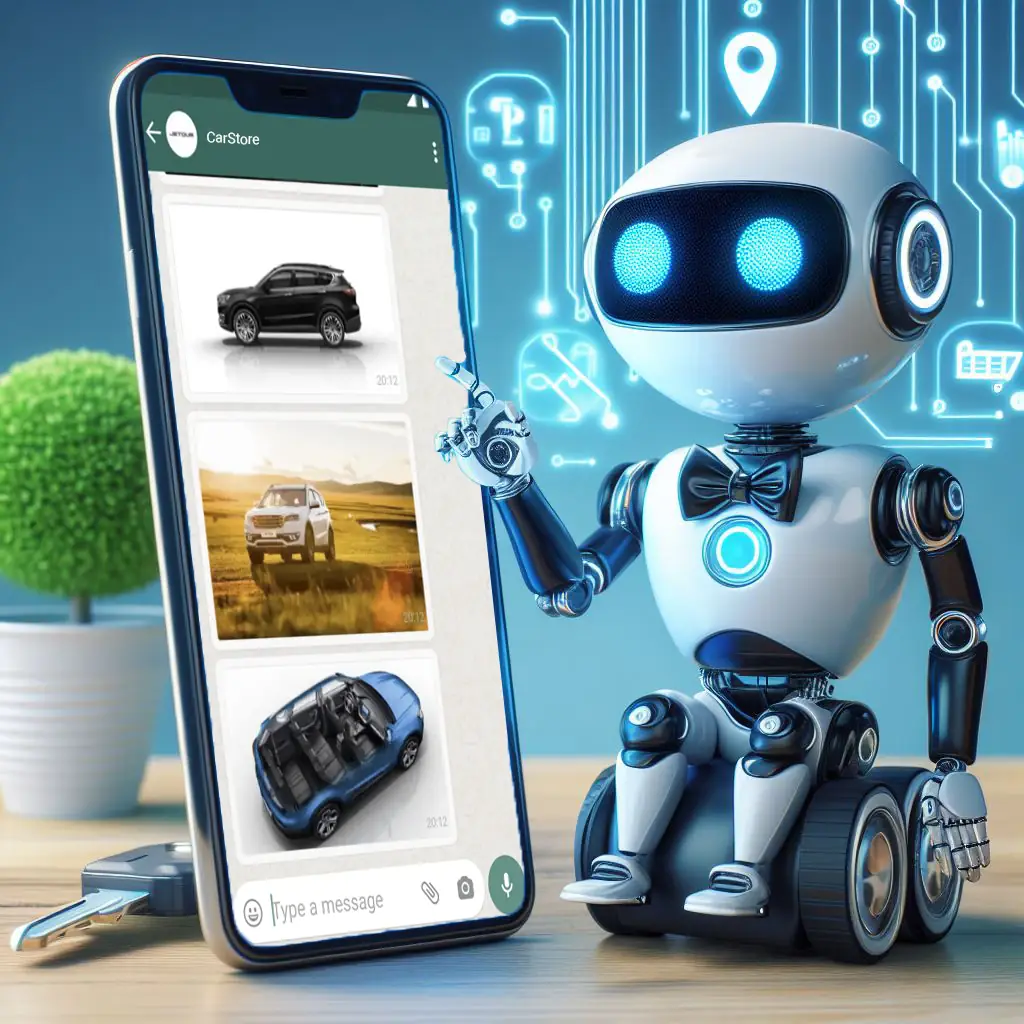
Artificial intelligence (AI) is rewriting the rules of the game, radically transforming our lives and our jobs with solutions that seem straight out of a futuristic tale. But, as in any good story, not everything is perfect.
AI, with its impressive set of capabilities, also brings a set of challenges. Throughout this article, we walk you through the advantages and disadvantages of Artificial Intelligence so you can better understand its impact on different industries and on our day-to-day lives.
5 advantages and disadvantages of Artificial Intelligence: a complete analysis
Read this candid, detailed analysis highlighting five advantages and disadvantages of Artificial Intelligence. Get ready to explore how this technology is revolutionizing the way we work and live every day.
5 Benefits of Artificial Intelligence
AI has revolutionized multiple sectors thanks to its ability to analyze large amounts of data with a speed and accuracy that far exceed human capacity. Here are some of the most significant advantages:
1. Improved automation and fewer human errors
AI contributes to the automation of repetitive tasks, allowing employees to focus on more strategic and creative activities. This not only improves efficiency but also job satisfaction within companies.
Implementing AI significantly reduces the margin of human error, ensuring more accurate and consistent processes. By delegating mechanical tasks to automated systems, companies not only optimize their resources but also raise the quality of their work, which translates into better results and a more motivating work environment focused on innovation.
The combination of efficiency and accuracy that AI offers becomes a key factor in driving growth and competitiveness in the market.
2. Data-driven decisions
With advanced techniques such as machine learning and deep learning, AI can identify patterns and trends that humans might overlook. This allows companies to make data-driven decisions, reducing risk and boosting innovation.
AI's ability to process and analyze large volumes of data in real time gives companies a competitive advantage, allowing them to anticipate market changes and adapt more quickly.
By taking advantage of these technologies, decisions are based not only on data but on deep insights that reveal hidden opportunities, optimize operations, and open new paths for innovation. This proactive approach not only minimizes risk but also positions companies at the forefront of their industries, driving sustained and strategic growth.
3. Better customer service
AI-powered chatbots can provide instant answers to customer inquiries at any time of day. This tool has been particularly useful in industries such as automotive and finance, where fast response can significantly improve the customer experience.
AI-powered chatbots not only offer instant answers but also personalize the customer experience, working 24/7 to improve efficiency and satisfaction. In sectors such as automotive and finance, where speed is key, this tool has become essential for strengthening the customer relationship and increasing conversions.
4. Optimization of logistics processes
AI is fundamental in transforming the supply chain and logistics. Using advanced algorithms, it can anticipate inventory problems, optimize delivery routes, and manage resources efficiently. This not only reduces costs and wait times but also improves the sustainability of operations by reducing waste and energy consumption.
AI optimizes the supply chain by anticipating inventory problems, improving delivery routes, and managing resources efficiently. This reduces costs and wait times and encourages sustainable practices by minimizing waste and energy consumption. In a competitive environment, AI is essential to stay agile and respond to market demands responsibly.
5. Development of new products and services
AI's ability to process and learn from vast amounts of data makes innovation in product and service development easier. Companies of all kinds are using AI to design personalized solutions that were previously unthinkable, from health apps that monitor your well-being in real time to personalized recommendation systems that improve the online shopping experience.
By processing and learning from large volumes of data, AI drives innovation in products and services. Companies use it to create personalized solutions, such as health apps that monitor well-being in real time or recommendation systems that improve the online shopping experience, opening up possibilities that were previously unthinkable.
5 Disadvantages of Artificial Intelligence
Despite its many benefits, AI also presents challenges and risks that must be considered:
1. High Implementation Cost
Adopting AI technologies can be expensive, especially for small and medium-sized businesses. Costs include not only acquiring the technology but also training staff and modifying existing business processes.
2. Privacy and Security Risks
Handling large amounts of data can lead to significant privacy and security concerns. It is crucial that companies implement robust measures to protect information against unauthorized access and other vulnerabilities.
3. Technology Dependence
Excessive reliance on AI can lead to a loss of critical skills among workers. In addition, programming errors or system failures can have wide-reaching consequences, sometimes affecting large segments of the population.
4. Job Displacement
Although AI can increase efficiency and open new paths for innovation, it can also lead to the displacement of workers in certain industries. As machines take over tasks previously performed by humans, demand for certain types of jobs may decline, which poses challenges in terms of job relocation and workforce retraining.
5. Algorithmic Bias
AI algorithms are based on the data they are trained on, and if that data contains biases, the AI will reflect them as well. This can lead to unfair or discriminatory outcomes in critical areas such as hiring, bank lending, and law enforcement, amplifying existing inequalities instead of mitigating them.
5 Advantages of AI for different industries:
1. Education sector: Implementing AI for universities
Educational institutions can also benefit greatly from AI. Some examples include:
Personalized Learning:
AI systems can adapt study materials to the needs of each student, improving educational outcomes.
Administration Automation:
Administrative tasks, such as enrollment and grading, can be automated to improve efficiency.
Improved Student Support:
AI can offer tutoring and academic assistance outside school hours, providing constant support to students.
Predictive Analytics:
AI can help predict student performance trends, enabling early interventions for those who may need additional help.
Resource Management:
Optimization of resource allocation on campus by using AI to analyze usage patterns and needs.
2. Automotive sector: vehicle dealerships selling with AI
In the automotive sector, especially in vehicle sales and marketing, AI has already brought major changes to sales and test drive scheduling:
Customer Experience Personalization:
AI systems analyze preferences to recommend suitable vehicles, increasing satisfaction and sales.
Efficient Inventory Management:
Predicts demand for models and adjusts stock to reduce excess.
Aftersales Service Automation:
Chatbots manage appointments and inquiries, freeing employees for more complex tasks.
Predictive Analytics for Vehicle Maintenance:
Anticipates maintenance needs to improve safety and customer satisfaction.
Pricing Strategy Optimization:
Adjusts prices in real time based on market demand, improving profit margins.
3. Financial sector: Artificial Intelligence to increase credit and card placement
Today the banking sector faces major challenges in growing its credit and card products, and Artificial Intelligence emerges as a great alternative for:
Personalization of Financial Services:
AI analyzes behaviors and preferences to offer personalized financial products, improving customer satisfaction and fostering loyalty.
Fraud Detection and Prevention:
Uses data patterns to identify and prevent fraudulent activity in real time, protecting both the company and its customers.
Operational Process Automation:
Implements robots and algorithms to handle tasks such as credit checks and transaction processing, increasing efficiency and reducing errors.
Improved Risk Management:
AI assesses potential risks more effectively, allowing companies to make informed decisions about loans and investments.
Investment Strategy Optimization:
Advanced algorithms analyze large volumes of market data to identify investment opportunities, maximizing returns.
Artificial intelligence is here to stay, and its impact will only continue to grow. By carefully weighing its advantages and disadvantages, organizations can maximize the benefits while minimizing the associated risks.
However, implementing AI technologies comes with its challenges, especially when it is unclear how to implement it and which strategies are needed to get the most benefit. It is crucial to manage potential biases in algorithms to avoid perpetuating inequalities.
See Artificial Intelligence sales for WhatsApp in practice
Integrating artificial intelligence into platforms like WhatsApp gives companies a significant competitive advantage by generating more qualified leads and increasing sales. By automating interactions and personalizing the customer experience, AI not only optimizes processes but also creates more effective and valuable connections. This combination of efficiency and personalization transforms the way companies relate to their customers, driving sustainable growth and ensuring their relevance in an increasingly digital market.
If you are ready to take your sales strategies to the next level, we invite you to see how Atom can help you make the most of the power of AI on WhatsApp. Discover the difference today!
When using WhatsApp for lead generation, companies face several challenges: